What Should You Do in the First 48 Hours After a Burst Pipe Claim in Denver, Colorado?
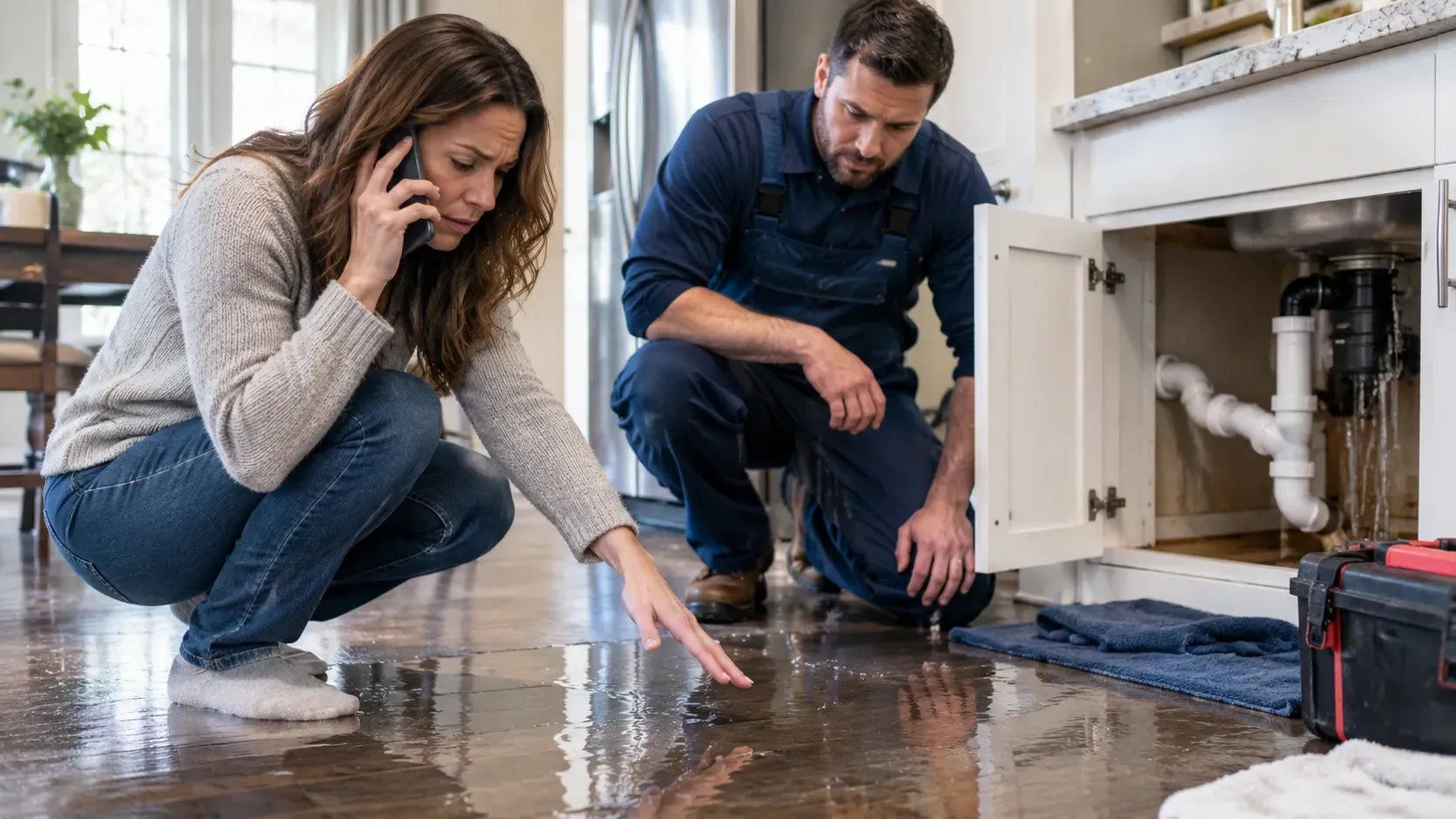
Table of Contents
- Introduction
- Which Colorado water damage claims actually get paid?
- Why These Three Losses Are Not Treated the Same
- Frozen Pipe Claims
- Ice Dam Claims
- Flood Claims
- A Framework for Figuring Out What You Are Dealing With
- Common Misunderstandings About Winter Water Damage
- A Realistic Scenario
- Risks, Limitations, and What Typical Advice Overlooks
- Conclusion
- Questions About Water Damage Claims in Denver
- Frequently Asked Questions
Key Takeaways
- Frozen pipe damage, ice dam damage, and flooding are three distinct categories under a homeowners policy, and each is evaluated using different rules.
- Frozen pipe claims are commonly covered, but insurers look closely at whether the homeowner took reasonable steps to prevent freezing, such as maintaining heat.
- Ice dam damage is often covered as a form of winter weather damage, though the cause behind the ice dam, such as poor attic insulation, can affect how the claim is viewed.
- Flooding from rising water outside the home is typically excluded from a standard policy and requires separate flood insurance.
- The source and mechanism of the water, not just the visible damage, is what usually decides which rules apply to a claim.
Introduction
The first 48 hours after a burst pipe are when a homeowner's actions have the most influence on how a water damage insurance claim unfolds, because this is the window when evidence is freshest, further damage is most preventable, and the official record of the loss begins to take shape. A burst pipe claim built on what happened in these first two days tends to move more smoothly than one assembled from memory weeks later.
This matters because a burst pipe rarely waits for a convenient time. Water keeps spreading while people figure out who to call first, whether to start cleanup, and what the insurance company will actually need. Those early decisions, made under stress, often determine how complete and well-supported the eventual claim turns out to be.
This checklist walks through what to prioritize during the first two days after a burst pipe in a Denver home or business, in a practical order, while explaining why each step matters for the claim itself.
The Short Answer
What should you do in the first 48 hours after a burst pipe?
Direct answer: Stop the water source, document the damage thoroughly before cleanup, contact your insurer and a water mitigation professional, and begin reasonable steps to prevent further damage. These actions protect both your property and the strength of your eventual claim.
The reasoning behind this order is straightforward. Stopping active water flow limits the physical damage. Documentation preserves evidence that cannot be recreated once drywall is removed or carpet is pulled up. Prompt mitigation satisfies your policy's requirement to prevent further loss, and early contact with your insurer starts the claim process without unnecessary delay.
Not every burst pipe situation unfolds in exactly this order. A larger or more dangerous loss may require different priorities, which the sections below address.
Hour by Hour: What the First 48 Hours Usually Involve
The First Few Hours
This period centers on safety and stopping the source. Shutting off water, addressing any electrical hazards, and getting people and pets away from standing water take priority over everything else, including documentation.
The Remainder of Day One
Once the immediate danger is addressed, attention shifts to photographing the damage, contacting the insurer to open a claim, and arranging emergency mitigation if water is actively damaging the structure.
Day Two
By the second day, mitigation work is typically underway, an inventory of damaged belongings begins, and the first conversations with an adjuster or mitigation company start to shape the scope of the claim.
This is a general pattern rather than a fixed schedule. A severe loss overnight may compress these steps into a few hours, while a smaller leak discovered during the day may unfold more gradually.
Stop and Assess
Shutting Off the Water
Locate the home's main water shutoff valve and close it if the burst pipe cannot be isolated individually. Knowing where this valve is before an emergency happens is one of the simplest things a homeowner can do in advance.
Checking for Immediate Hazards
Standing water near electrical outlets, panels, or appliances presents a real safety risk. If there is any doubt about electrical safety, shut off power to the affected area at the breaker before anyone walks through the water.
Document Before You Touch Anything
Why This Step Is Easy to Skip and Costly to Skip
The instinct after a pipe bursts is to start removing water and damaged items immediately. Understandable as that is, once soaked materials are thrown out, the visual record of the loss goes with them.
What to Photograph and Record
Photograph the burst pipe itself, the full extent of standing water, affected walls, floors, and ceilings, and any damaged belongings before you move them. Take wide shots for context and close-ups for detail, and note the date and approximate time if your device does not do this automatically.
Building an Early Inventory
Start a simple list of damaged items as you see them, even in rough form. A detailed room-by-room inventory can be refined later, but capturing the initial scope while it is fresh prevents items from being forgotten.
Contact the People Who Need to Know
Your Insurance Company
Report the loss promptly. Most policies expect notice of a loss within a reasonable time, and starting the claim early means an adjuster can be assigned and mitigation can proceed with the claim number already in place.
A Water Mitigation Company
A professional mitigation company can begin extracting water and setting up drying equipment, which limits secondary damage like mold growth and structural warping. Many insurers have preferred vendors, though you are generally not required to use a specific company.
A Public Adjuster, If You Choose To
Some homeowners bring in a public adjuster at this early stage, particularly for larger losses. A public adjuster's role in a burst pipe claim typically includes reviewing the policy, overseeing documentation, and handling negotiation, though this step is optional and depends on the size and complexity of the loss.
Begin Mitigation Without Waiting for Approval
Why Policies Generally Expect This
Most homeowners policies include a duty to take reasonable steps to prevent further damage once a loss occurs. This typically means you do not need to wait for an adjuster's inspection before extracting standing water or setting up fans and dehumidifiers.
Keeping Receipts for Mitigation Costs
Emergency mitigation expenses, such as water extraction and drying equipment rental, are often reimbursable under the claim. Keep every receipt and invoice related to this work, since these costs are part of what the insurer evaluates. This is especially relevant when the original cause was a frozen or burst pipe, where mitigation costs can add up quickly once a wall or ceiling has been affected.
Start Your Claim File
A Simple Log Goes a Long Way
From the first call to your insurer onward, keep a running log of every conversation, including the date, the person's name, and a brief summary of what was discussed. This becomes invaluable if details become disputed later.
Organizing as You Go
Keep photos, receipts, the inventory list, and your claim number together in one place from the start, whether that is a physical folder or a digital one. Reconstructing this organization after the fact takes far more effort than building it as you go.
A Framework for Prioritizing When Everything Feels Urgent
When multiple things seem urgent at once, this order generally reflects what matters most:
- Safety first. Address any immediate hazard before anything else.
- Stop the source. Shut off water to prevent the damage from growing.
- Document what exists right now. Photos and video before any cleanup begins.
- Begin mitigation. Start reasonable steps to prevent further damage.
- Notify your insurer. Open the claim and get a claim number assigned.
- Build your organizational system. Logs, receipts, and inventory from day one forward.
This order can shift. A severe active leak might require mitigation to begin before documentation is fully complete, in which case photographing what you can as quickly as possible is the reasonable compromise.
Common Misunderstandings About the First 48 Hours
Common belief: "I need the adjuster to inspect the damage before I can start cleaning up."
What is actually true: Policies generally expect you to take reasonable steps to prevent further damage right away, not wait for an inspection. Why it matters: waiting unnecessarily can allow mold and structural damage to worsen.
Common belief: "A few phone photos are enough documentation."
What is actually true: Thorough documentation, including wide shots, close-ups, and a written inventory, holds up far better than a handful of quick photos. Why it matters: incomplete documentation can lead to disputes over the extent of the damage later.
Common belief: "I have to use the mitigation company my insurer recommends."
What is actually true: You generally have the right to choose your own mitigation company, though your insurer may suggest one. Why it matters: assuming otherwise can limit your options unnecessarily.
A Realistic Scenario
The following is a hypothetical example for illustration, not an actual client case.
Imagine a Denver homeowner who wakes up to find a supply line burst in a second-floor bathroom overnight, with water having soaked through the ceiling below. The homeowner shuts off the main water valve immediately and notices a damp patch near a light fixture downstairs.
Recognizing a potential electrical hazard, the homeowner turns off power to that section of the house before doing anything else. Over the next hour, they photograph the bathroom, the soaked ceiling below, and the standing water, then call their insurer and a mitigation company within the same morning.
By the end of day two, mitigation equipment is running, the claim has been assigned a number, and the homeowner has a folder of photos, a rough inventory, and a log of every call made so far. This sequence, safety first, then source control, then documentation, then mitigation and notification, reflects the general priority order discussed above, adapted to the specific hazard present in this case.
Risks, Limitations, and What Typical Advice Overlooks
Generic checklists often list steps without addressing the complications that come up in practice.
What Gets Missed About Competing Priorities
Real situations rarely unfold as cleanly as a checklist suggests. A severe active leak may force mitigation to begin before documentation is complete. In that case, photographing whatever is possible in the moment, even imperfectly, is better than skipping documentation altogether.
What Gets Missed About Business Properties
For commercial property owners, the first 48 hours also involve decisions about whether operations can continue, whether inventory or equipment needs to be moved, and how to document lost business income alongside the physical damage. These additional layers are often left out of homeowner-focused advice.
What Gets Missed About Delayed Discovery
Not every burst pipe is discovered immediately. A leak inside a wall may go unnoticed for days before it becomes visible. When this happens, the first 48 hours actually begins at discovery, not at the moment the pipe failed, and documentation should reflect that distinction honestly.
What Gets Missed About Over-Documentation Fatigue
Taking hundreds of photos without organization can be nearly as unhelpful as taking too few. A reasonably thorough, organized set of photos and notes serves the claim better than an overwhelming, disorganized collection.
None of this changes the core priorities. It means real situations require judgment alongside the checklist, not a rigid, one-size-fits-all script.
Conclusion
The first 48 hours after a burst pipe carry real weight in how a water damage insurance claim unfolds. Stopping the water source, documenting the damage before cleanup, starting mitigation without waiting for approval, and contacting your insurer promptly are the core priorities, adjusted as needed for safety and the specific circumstances of the loss.
A burst pipe insurance checklist is a useful guide, not a rigid script. The goal in these early hours is to protect your property and preserve an accurate record of what happened, so that whatever comes next in the claims process rests on a solid foundation rather than details reconstructed from memory.
Questions About Burst Pipe Claims in Denver
If a burst pipe has affected your home or business in the Denver area and you are unsure what to do next or how to document the loss, you are welcome to
reach out with your questions. A short, no-pressure conversation can help you understand your options, with no obligation to move forward.
Frequently Asked Questions
Do I need to wait for an adjuster before cleaning up a burst pipe?
No. Policies generally expect reasonable steps to prevent further damage right away. Document the damage first when possible, then begin mitigation rather than waiting for an inspection.
What should I photograph first after a burst pipe?
Photograph the pipe itself, the full extent of standing water, and any affected walls, floors, ceilings, or belongings before cleanup begins. Wide shots and close-ups both help establish the scope of the damage.
Can I choose my own water mitigation company?
Generally yes. Insurers may recommend a preferred vendor, but you typically have the right to select your own mitigation company for the cleanup and drying work.
How soon should I report a burst pipe to my insurance company?
As soon as reasonably possible. Prompt reporting allows the claim process to begin and an adjuster to be assigned while the damage and circumstances are still fresh.
What if I did not discover the burst pipe right away?
Document the damage and circumstances from the point of discovery, and be clear with your insurer about when the leak was actually found, since this distinction affects how the timeline is understood.